
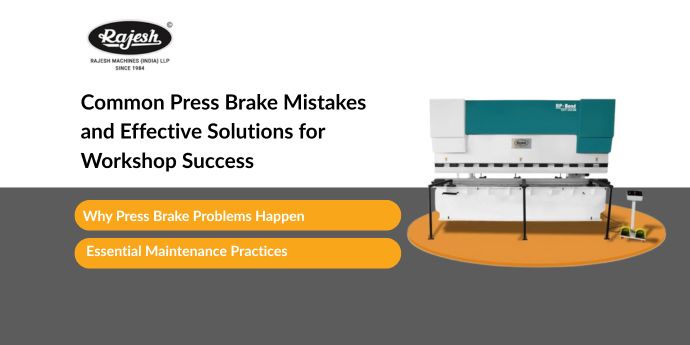
Press brake machines form the core of the metal fabrication workshops around the world. These powerful machines transform sheets of metal into precise parts that are used in all industries. However, even the top hydraulic press brake machine can have issues that impact productivity and quality. Knowing common mistakes of press brakes can help you ensure smooth operations and provide high-quality results.
This guide will walk users through some of the frequently asked issues that operators encounter and offers easy solutions that you can implement right away in the workshop.
Why Press Brake Problems Happen
Press brakes operate by using controlled pressure to bend sheets of metal at certain angles. This involves a variety of systems working together including hydraulic components, mechanical components, electrical control, and tools. If any component of this system malfunctions or is operating improperly, it can cause bending issues.
The majority of press brake mistakes result from three major aspects: poor set-up and tooling selections wear or damaged machine components, as well as operator mistakes in the bending process. Recognizing these issues in advance can save you the need for costly downtime, waste of materials and safety hazards at your facility for fabrication.
Inconsistent Bend Angles
One of the most frustrating press brake mistakes is getting different angles on identical parts. Your finished pieces show variations that fall outside acceptable tolerances, forcing rework or scrapping.
- What causes this problem: Material thickness varies across the sheet, worn tooling creates uneven contact, back gauge positioning shifts during operation, and machine bed deflection occurs under heavy loads.
- How to fix it: Check material thickness with calipers before starting each job. Inspect punch and die surfaces for wear regularly. Calibrate the back gauge system every month. Use support systems for long workpieces to prevent deflection. Verify machine alignment to ensure consistent results.
Springback Effect
Metal naturally tries to return to its original shape after bending. The springback effect can cause the angle you get to be different from the angle you set. Materials with high strength like stainless steel have more springback than soft metals, like aluminum.
- Common causes: High-strength materials have more elastic memory. Wide V-die openings increase springback. Insufficient bending force gets applied during the process.
- Practical solutions: Overbend slightly to compensate for material memory. Use bottom bending instead of air bending when precision matters. Select narrower V-die openings within safe limits. Calculate springback compensation for each material type you work with. Always test bend on scrap pieces first.
Material Cracking and Tearing
Cracks appearing along bend lines ruin parts and waste material. This happens when metal cannot handle the bending stress applied during forming.
- Why it happens: Bend radius is too tight for the material type. Cold metal lacks ductility needed for bending. Surface scratches or defects concentrate stress at weak points. Wrong die opening gets selected for the job.
- Prevention methods: Use larger bend radius for brittle materials like hardened steel. Warm up metal in cold workshop environments before bending. Clean material surfaces thoroughly before starting. Follow manufacturer guidelines for minimum bend radius. Choose a proper die opening at 8-10 times material thickness.
Surface Damage and Die Marks
Die marks, scratches, and surface imperfections damage the appearance and quality of finished parts. This problem becomes critical when working with pre-finished materials or visible surfaces.
- Root causes: Dirty or damaged tooling surfaces leave impressions. Metal chips get trapped in dies during operation. Incorrect die clearance causes excessive contact. Too much bending force damages the surface.
- Quick fixes: Clean all tooling before each job starts. Inspect dies for chips or damage daily. Use protective film for sensitive materials like aluminum or stainless steel. Apply proper lubrication to contact surfaces. Store tooling in clean, dry conditions when not in use.
Wrong Tooling Selection
Using incorrect punches or dies ranks among the most common press brake mistakes. Wrong tooling leads to poor quality, excessive force requirements, and equipment damage that costs time and money.
- Selection errors: Not matching die opening to material thickness creates problems. Using the wrong punch radius produces incorrect bend results. Selecting worn tooling for precision work guarantees failures.
- Correct approach: Calculate correct V-die opening before setup begins. Maintain tooling inventory with clear specifications visible. Replace worn tools before quality suffers. Keep tooling selection charts accessible at the machine. Train operators on proper tool identification methods.
Hydraulic Oil Leaks and Pressure Loss
Hydraulic press brake machines depend on constant pressure to guarantee the precision of bending. Problems with pressure can cause poor bends and dimensional mistakes and safety issues at your work place.
- What goes wrong: Worn seals in cylinders allow oil to escape. Oil leaks develop from loose connections. Faulty pressure control valves fail to regulate properly. Contaminated hydraulic oil reduces system performance.
- Maintenance solutions: Inspect all hydraulic connections monthly for signs of leakage. Replace worn seals immediately when discovered. Check oil level before daily operation starts. Change hydraulic oil at recommended intervals. Monitor pressure gauges during operation. Clean or replace filters regularly to maintain oil quality.
Back Gauge Positioning Problems
The back gauge positions material for consistent bends across all parts. Inaccurate positioning creates parts with wrong dimensions that fail quality checks.
- Accuracy issues: Worn lead screws or belts lose precision over time. Control system calibration drifts from factory settings. Mechanical obstructions block the travel path. Damaged position sensors send incorrect signals.
- Corrective actions: Calibrate back gauge monthly using precision blocks. Check belt tension regularly and adjust as needed. Clean guide rails and travel path weekly. Test positioning accuracy with gauge blocks. Replace worn drive components before they cause major problems.
Shop Quality Press Brake Machines from Rajesh Power Press Middle East
Selecting the right press brake machine determines your workshop’s capability and efficiency. Rajesh Machines Middle East provides reliable hydraulic press brake machines designed for Middle Eastern fabrication needs.
- Hydraulic Press Brakes (Rear Cylinder) – Sheet Metal Bending Machine: These reliable workhorses feature rear cylinder design for consistent performance in daily sheet metal bending operations. Perfect for general fabrication work across various industries with proven hydraulic technology.
- Hydraulic NC Press Brakes: With computer-controlled systems to increase accuracy and reliability. These machines have programmable settings that help setup go faster and minimize operator mistakes when running production.
- CNC Press Brakes: Computer-controlled systems offer precise bending and fully-programmable back gauges as well as automated positioning. Ideal for complex parts with requirements such as strict tolerances as well as multiple bend sequences and high precision in production.
- CNC Press Brakes (HD Series): Models built for heavy-duty use for thick materials and high tonnage applications. These sturdy machines offer the power required for tough fabrication, while ensuring precision and control.
Each machine category serves specific workshop requirements. Consider your typical material thickness, production volume, and precision needs when selecting equipment. Rajesh Power Press Middle East offers expert guidance to match machines with your fabrication goals.
Essential Maintenance Practices
Regular maintenance can prevent most problems with the press brake before they impact production. The lack of basic care can cause costly breakdowns and unplanned downtime.
- Inspect hydraulic oil level daily and look for leaks around connections
- Lubricate guide rails weekly with manufacturer-recommended products
- Calibrate angle sensors and pressure gauges monthly for accuracy
- Clean dies, punches, and tooling surfaces after each shift
- Test back gauge accuracy regularly and adjust as needed
Understanding proper setup and safety precautions for press brake machines helps prevent many common problems and protects your team.
Conclusion
Knowing and avoiding common mistakes with the press brake helps keep your workshop running effortlessly and profitably. Most issues are due to damaged components, incorrect set-up, or even maintenance delays which you can avoid. Regular maintenance, training for operators and attention to the condition of machines will improve the reliability of your machine and its efficiency in production. If you are operating a simple hydraulic system or more advanced CNC press brakes, the basic concepts are universally applicable. For workshops seeking reliable equipment, Rajesh Machines Middle East offers quality press brake solutions matched to your fabrication needs.