
Introduction
Metal rolling machines turn flat sheets of steel into cylindrical or curving shapes, making them a vital equipment for construction sites, fabrication shops and manufacturing facilities. If you’re working using aluminum, steel or any other metal, selecting the right machine for rolling directly determines quality of production efficiency, productivity, and overall profit.
This guide explains all you must know about metal rolling machines. This guide will help to make an informed choice that meets particular needs and budget.
What is a Metal Rolling Machine?
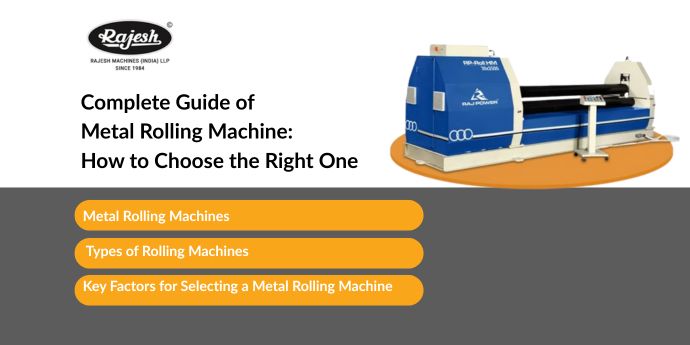
A metal rolling machine also known as plate roller or sheet metal bending machine. This machines have three or four rollers for bending and shaping metal sheets into the curves, cones or in cylinder shapes. This machine works like by passing the metal through the rollers, which apply pressure for creating the require curvature
They handle different types of materials and thicknesses, ranging starting with thin aluminum sheet to steel plates. Industries use them to make tanks, pipes and pressure vessels. They also make structural parts and decorative metalwork.
Types of Rolling Machines
Knowing different types of machines helps to select the right rolling machines which fits workshop needs and production goals.
3-Roll Plate Rolling Machines
Three-roll machines feature one top roller and two bottom rollers. The operator adjusts the top roller to control the bending radius. These machines offer:
- Simple operation and maintenance
- Cost-effective entry point for small shops
- Suitable for general rolling applications
- Limited pre-bending capability
4-Roll Plate Rolling Machines
Four-roll machines include an additional roller that eliminates the need for pre-bending. Benefits include:
- Higher precision and consistency
- Better pre-bending capability
- Reduced material waste
- Faster production cycles
- Ideal for high-volume operations
To understand how these machines operate and their specific advantages, read our detailed guide on 4-roll plate rolling machine working principles and operation.
Key Factors to Consider When Choosing a Metal Rolling Machine
Material Type and Thickness
Different metals require different rolling capacities. Consider:
- Steel: Requires more power and stronger rollers
- Aluminum: Easier to roll but may need special roller coatings
- Stainless Steel: Demands higher pressure and precise control
- Copper and Brass: Need careful handling to prevent surface damage
It is crucial to confirm the maximum thickness of material you’re using because machines specify capacities separately in stainless steel and mild steel and in aluminum.
Working Width
The working area width determines the maximum size of sheet your machine is able to handle. Check the dimensions of your project and include the additional capacity to make it more flexible.
Rolling machines are available in different sizes of working widths, to accommodate different sheets of different sizes. Smaller workshops usually opt for narrower machines for their standard projects, whereas large fabrication facilities are investing in larger models to support industrial production.
Roller Diameter
Larger roller diameters provide:
- Greater bending force
- Better handling of thick materials
- Longer service life
- Reduced deflection during operation
Match the roller diameter to your material thickness requirements. Thicker materials need larger diameter rollers for optimal results.
Power and Drive System
Rolling machines use different drive systems:
- Manual: Operated by hand cranks, suitable for light-duty work
- Hydraulic: Offers precise control and high power for heavy materials
- Electric: Provides consistent speed and reduced operator fatigue
- Combination Systems: Blend hydraulic power with electric controls
Hydraulic systems deliver superior performance for thick materials and high-volume production. Electric drives work well for medium-duty applications with moderate material thicknesses.
Bending Capacity and Radius
Check the minimum and maximum bending radius specifications. Your machine should create both tight curves for small diameter pipes and gentle curves for large tanks.
Pre-bending capacity matters when you want to eliminate flat edges at the material ends. Four-roll machines excel in this area.
Control System
Modern rolling machines offer different control options:
- Manual Controls: Basic operation through handwheels and levers
- NC (Numerical Control): Semi-automated with digital displays
- CNC (Computer Numerical Control): Fully programmable for complex shapes
CNC systems cut down on setup time, they improve repeatability and permit operators to save several programs for repeating tasks. The investment pays dividends quickly for high volume production settings.
Build Quality and Materials
Examine the machine’s construction:
- Heavy-duty steel frames resist deflection
- Hardened roller surfaces last longer
- Quality bearings reduce maintenance
- Robust gearing systems handle continuous operation
Better build quality means fewer breakdowns, lower maintenance costs, and consistent production quality over many years.
Essential Features to Look For
- Side Rollers
Side rollers support the material during rolling, preventing distortion and improving accuracy. This feature becomes crucial when working with thin materials or wide sheets.
- Digital Position Indicators
Digital displays show exact roller positions, helping operators achieve consistent results across multiple pieces.
- Emergency Stop Systems
Safety features protect operators from accidents. Look for emergency stop buttons, safety guards, and overload protection systems.
- Adjustable Roller Pressure
Fine control over roller pressure allows precise bending and accommodates materials with varying properties.
Why Choose Rajesh Machine Middle East for Your Rolling Machine Needs
Rajesh Machine Middle East stands as a trusted manufacturer of metal fabrication equipment across the UAE and surrounding regions. We offer a comprehensive range of sheet metal rolling machines designed for different applications and budgets.
Rajesh Machine Middle East stands as a reliable maker of equipment for metal fabrication throughout the UAE and the surrounding regions. We provide a broad assortment of sheet metal roll machines that are designed to meet different needs and budgets.
Our rolling machine inventory includes:
- Three-roll and four-roll configurations for various production requirements
- Manual, hydraulic, and CNC-controlled models to match your automation level
- Multiple capacity options from light-duty to heavy industrial machines
- Complete after-sales support including installation, training, and maintenance
Visit our website to contact us and discuss your rolling machine requirements.
Common Mistakes to Avoid
- Underestimating Capacity Requirements
Many buyers choose machines based on current needs, not thinking about the potential for future growth. Choose a model that is able to handle your immediate needs to make sure you do not outgrow it in a hurry.
- Ignoring Space Requirements
Rolling machines occupy significant floor space, especially larger models. Measure your workshop area and plan for material handling space around the machine.
- Overlooking Maintenance Needs
Different machines require different maintenance levels. Look for long-term maintenance expenses along with spare parts availability, and service requirements.
- Choosing Price Over Quality
The most affordable option usually is more expensive over the long term due to repair costs, downtime or poor quality production. The balance between initial costs and the effectiveness of operations and their longevity.
Maintenance Tips for Longevity
Keep your metal rolling machine operating efficiently with regular maintenance:
- Lubricate rollers and bearings according to manufacturer specifications
- Check hydraulic fluid levels and replace filters regularly
- Inspect roller surfaces for wear or damage
- Clean the machine after each use to prevent metal debris buildup
- Calibrate position indicators periodically for accuracy
- Train operators on proper usage techniques
Maintenance that is proactive extends the life of the machine, minimizes breakdowns that are unexpected, and helps ensure consistent quality production.
Conclusion
The selection of the best metal rolling machine is a careful consideration of the materials, thickness requirements, production volumes, as well as budgetary limitations. You can choose a manual three-roller machine that is designed for use on a limited basis or opt for an CNC four-roll system designed for high-volume production; the proper equipment can boost capabilities and profits.
Be sure to consider all aspects discussed in this article from roller diameter to control systems, prior to making a decision. High-quality machines from trusted suppliers like Rajesh Machine Middle East deliver reliability and value over time. Make sure you evaluate your requirements, compare options, and select a machine that will help your business grow in the years to come.
Frequently Asked Questions
What is the difference between a 3-roll and 4-roll metal rolling machine?
Three-roll machines require the manual pre-bending of edges and four-roll machines automatically pre-bend and provide more precision and efficiency when it comes to high-volume production.
Can one rolling machine handle different metal types?
Yes, most rolling machines work with various metals, but capacity varies by material. The same machine rolls thicker aluminum sheets than steel due to different material hardness.
How do I determine the right capacity for my shop?
Assess the thickest and broadest materials, and then select an equipment that has 20-30 percent more capacity than the needs to manage the future projects with ease.
Are hydraulic rolling machines better than electric ones?
Hydraulic machines are more powerful for heavy-duty and thick work, whereas electric machines are able to perform for smaller applications and lower operating cost.
How long does a metal rolling machine typically last?
With regular maintenance, top quality rolling machines last for at least 15-20 years which makes them a great long-term investment in the fabrication industry.